 The Monster Army
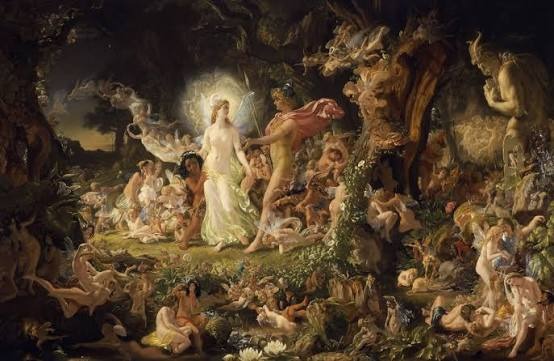
 Depiction and description of fae changes over time following society’s needs. And right now, it is the popularity of fae romantasy (romance-fantasy) stories.
‘Fae’ are often associated with magical creatures or spirits that intersect with humans’ world. According to Oxford English Dictionary, ‘fairy’ (the singular noun for ‘fae’) came from the old French word ‘fay’ which means a supernatural being, add the suffix ‘-ery’. Fae are magical creatures that have enchanted body features like dark or light skin, wings, pointy ears, small or giant size, and weird skills like being invisible, can foresee the future, etc.
Funny enough, nowadays fae are often imagined as some human-like creatures that had supernatural power. But actually a long time ago, fae are far far weirder than the creatures we thought today.
Some of the popular tales of fae those times were pixies, dwarfs, nymphs, elves, goblins, selkie, will-o’-the-wisp, redcaps, and many others. And they’re not those creatures with cute wings, or hospitable habits, or any other beautiful elements. They were actually folklores that often used to explain things that can’t be explained or to scared kids.
For example, according to Britannica and The Wicked Griffin, pixies are folklore creatures from Southwestern England. They are indeed tiny elf-like spirits which usually wore green and had pointy ears, and danced under the moonlight with the sound of frogs and crickets. Sounds charming indeed. But that charm was what they used to lead people astray or frighten maidens. Some people said this tale was to tell people to be cautious and respect the supernatural things in nature.
The same with will-o’-the-wisp which was believed as spirits that could lead travelers astray and to their death. According to Strange & Twisted and Folklore Scotland, will-o’-the-wisp is usually seen as fire or light. They’re believed to be spirits that may look like good signs, but actually they could lead travelers to disaster.
Then there are elves, spirits that are believed in Germanic folklore. According to Britannica and EBSCO, elves used to be told as spirits that could bring disease to humans and cattle. And when an elf slept on people’s breasts, they would bring nightmares (the German word for nightmare is ‘Alpdrücken’, which means ‘elf-pressure’). It’s also believed that sometimes they would slink to people’s houses and swap their children with another human or fairy’s children..
Another popular fairy is dwarf. According to Britannica and EBSCO, dwarves are short (some weren’t more than 18 inches which is almost the same as a two years old human child) and usually lived in mountains or lower levels of mines. They were really skilled at forging, creating magic or special rings, swords, and other jewelry or weapons. Some said they could also see the future, assume other forms, and make themselves invisible.
Dwarves were depicted as creatures that could be benevolent or malevolent. In Central America, dwarves were believed to have powers of fertility. While bushpeople of South Africa believed dwarves were able to kill and restore life, and West Africans believed dwarves can cure sickness with herbal medicines. In Native American folklore dwarves were said to be helpful spirits for their nation. It is believed that in order to make dwarves become benevolent, humans should do good things. If humans do terrible things to them, then they would become vengeful and do terrible things as well.
So it can be seen that fae stories were originally made up to limit people from doing certain things. It can be analyzed that some tales are made to protect nature, some are to explained strange incidents, some are to warned people to be careful in certain places or behaviour.
But then, things started to change in the Victorian Era (1820-1914). There is a tragic connection between Victorians’ life and the changing of fairy tales.
Because most popular stories of fae came from Europe, the conditions of the people in there affect how depictions of fae are shaped all across the world. In her book Fairies in Nineteenth-Century Art and Literature (2006), Nicola Bown wrote about how fae stories changed in the Victorian Era. Fae became depicted as aesthetic beings with a beautiful world.
It was because fae had actually become the consolations of Victorians’ fears and worries. In that era where modernity started to replace harmony, economic equality, and childhood freedom, they sought these human needs in some made-up magical-fantasy world.
When Victorians are pushed to keep working and be a ‘grown-up’, they desired to sometimes escape into another world, ‘the land of the fae’. The urgency of this escapism can be seen through paintings of fae in the times of Industrial Revolution and Victorian Era.
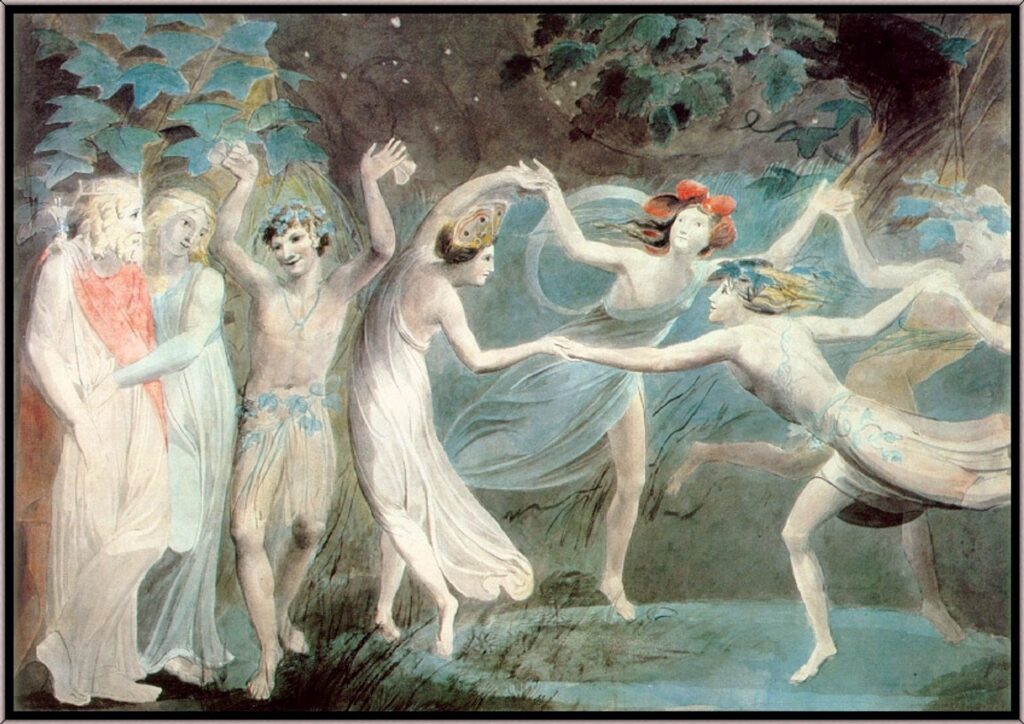
Apparently, one of William Shakespeare’s play scripts called A Midsummer Night’s Dream became the source of inspiration and affected the way people in that century think about fae. According to Art In Context, some of the painters that got affected and affect how people perceive fae can be seen in the paintings of Oberon, Titania and Puck with Fairies Dancing (1786) by William Blake, The Fairy Lovers (1840) by Theodor von Holst, The Fairy Feller’s Master-Stroke (1864) by Richard Dadd, Midsummer Eve (1908) by Edward Robert Hughes.
The perception of the fae world became filled with romantic and ethereal atmospheres. The fae were also imagined as more human-like, closer to the forms of humans. These changes were shaped out of the desire to escape to a world that felt close to human yet more beautiful.
Disney played a significant role as well in creating nicer thoughts about fae. In 1937, Disney started to make various films that included the fae from past folklores. There are dwarves in Snow White (1937), pixies in Sleeping Beauty (1959), will-o’-the-wisp in Brave (2012), and many more. Unlike the original stories that often depicted them as malevolent, Disney created fae as benevolent creatures that are innocent and liked to help.
Dwarves in Snow White helped a princess when she’s in danger. They’re also depicted as mostly funny and kind even though they had several annoying habits. Pixies in Sleeping Beauty were kind creatures as well that helped the princess and became part of the castle’s trustworthy friends. While in Brave, will-o’-the-wisp were depicted as a spirit that actually needed help for their good intention.
This period when fae were told as little innocent benevolent creatures, and lived in a magical-wonderful world, showed how people in the Victorian Era needed some dreamy and safe place to survive in a time full of suffering. As literature became something that really developed, even since childhood, the stories of fae started to take their forms to fit in children’s world.
Later after the Victorian Era, fae stories still served its purpose as escapism in pop culture. But they slowly started to change into a more serious and romantic fantasy world.
Books like The Hobbit (1937) and The Lord of The Rings (1954-1955) by John Ronald Reuel Tolkien (J. R. R. Tolkien) became popular with their stories that were filled with war, fantasy, fae from folklores, and a bit of romance. The story became more popular when the film version of it was released, for example, The Lord of The Rings (2001-2003) and The Hobbit (2012-2014).
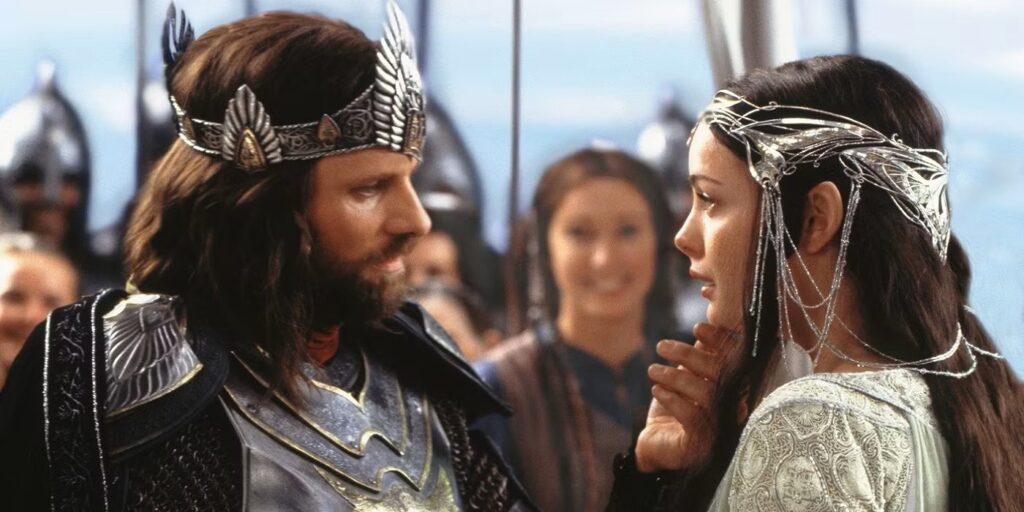
J. R. R. Tolkien stories became one of the seeds that create more fae romantasy stories. For example, the ones that had been pretty popular nowadays were books by Rebecca Yarros and Sarah J. Maas.
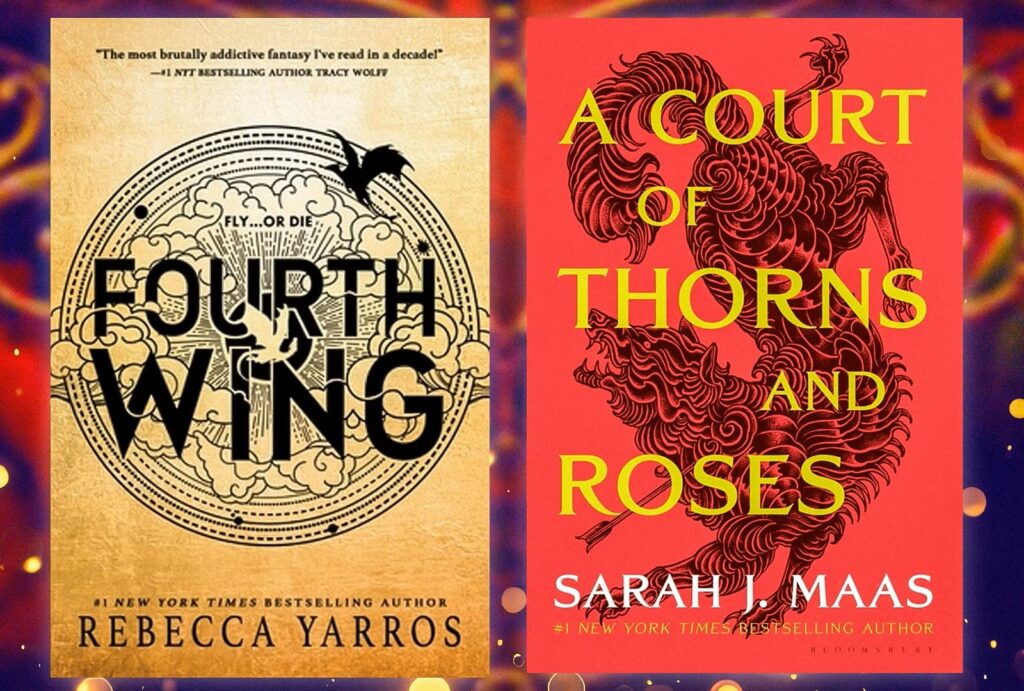
Rebecca Yarros is a novel writer that got her popularity from her serial books of Empyrean, with her most popular one is Fourth Wing (2023). The story followed Violet Sorrengail, a twenty years old girl that was forced by her mother to become a dragon-rider. Then she met Xaden Riorson, the most powerful and ruthless wingleader that wanted to kill her but slowly love bloomed between them.
Then there is Sarah J. Maas, another fae romantasy novel writer. Her most popular book is A Court of Thorns and Roses (2015). The main character in this book is a girl named Feyre that’s forced to enter the world of fae because she killed a wolf which is actually a faery. A faery named Tamlin guided her to a world of faery. Eventually, as time passed by, Feyre was starting to like that world, got to know the problems in there, and her feelings towards Tamlin grew.
Both Rebecca Yarros and Sarah J. Maas created fairy characters that were actually more like some supernatural characters from their own imagination. The folklores about fae in the past weren’t a matter. They usually highlight more about the fantasy world, characters’ attractiveness, and romance plus sexual dynamic between the characters.
In BBC interview, it is said that the popularity of romantasy books are because of how romance and fantasy in these books could fulfil the dreams of power and emotional connection. The current reality where the world are filled with chaos and people had many upside-down romantic relationships, romantasy became a source of fulfilment to fill their needs. According to CNN, fantasy that filled with epic and spellbinding stories, added with wrenching and sensual things, make fae romantasy stories are really hyped
From the history of fae stories, it can be said that fae are more than childish fantasy. Fae were the embodiment of people’ desire or weariness.
Stories of fae had always been mold and shifted to fulfil the needs of people in every period of life. From the purpose to warn, save, survive, and fill other gaps that’s hard to be filled in reality. The history of fae romantasy shows how humans often express or patch the hole in their life through creative fantasy things because of how hard it is to achieve it in reality.
Therefore, fae stories including fae romantasy are not just a childish fantasy thing. It has been a way for humans to save themselves and others in a world that’s full of suffering and hard things. Behind the glittery or scary world of fae, there is a very important thing that needs to be seen.
Susan Humeri Siburian
IG: @ssan_o2
Email: ofoggym0rning@gmail.com